Polish corners and contours where the flat pad can’t reach
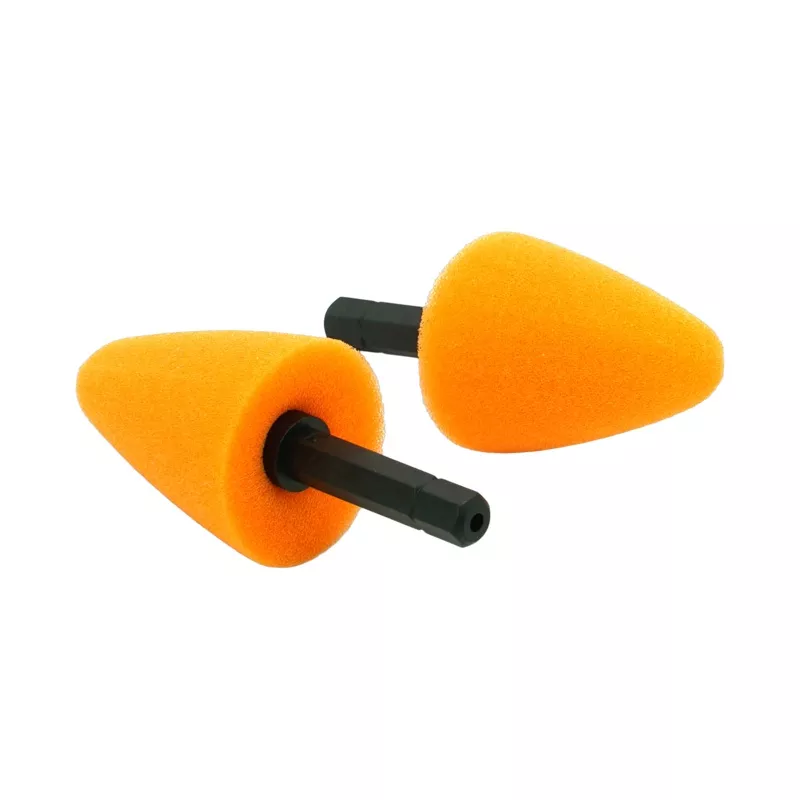
What is the ZviZZer Thermo Cone Pad Medium? A cone-shaped polishing pad made of open-cell thermo foam with hook-and-loop backing, whose tapered tip gets into tight spots, corners, swage lines and contours. Medium hardness in orange, matched to one-step polishes. Not made for big panels and not for dual-action machines.
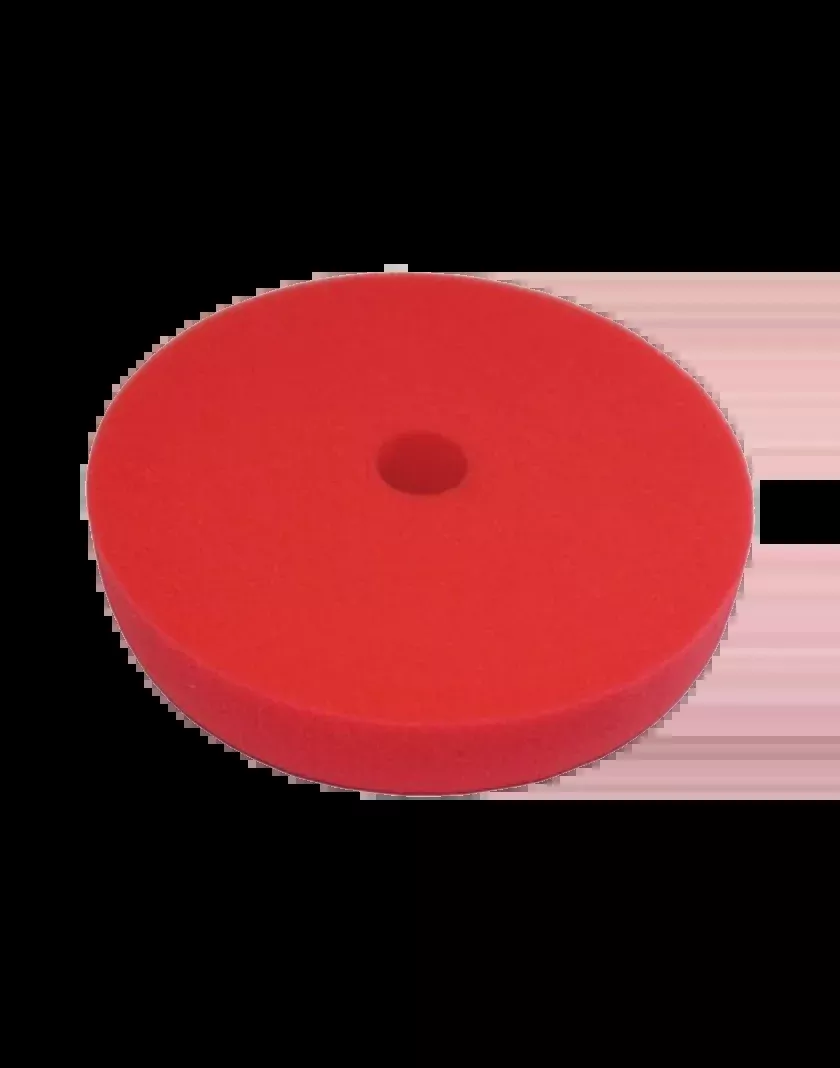
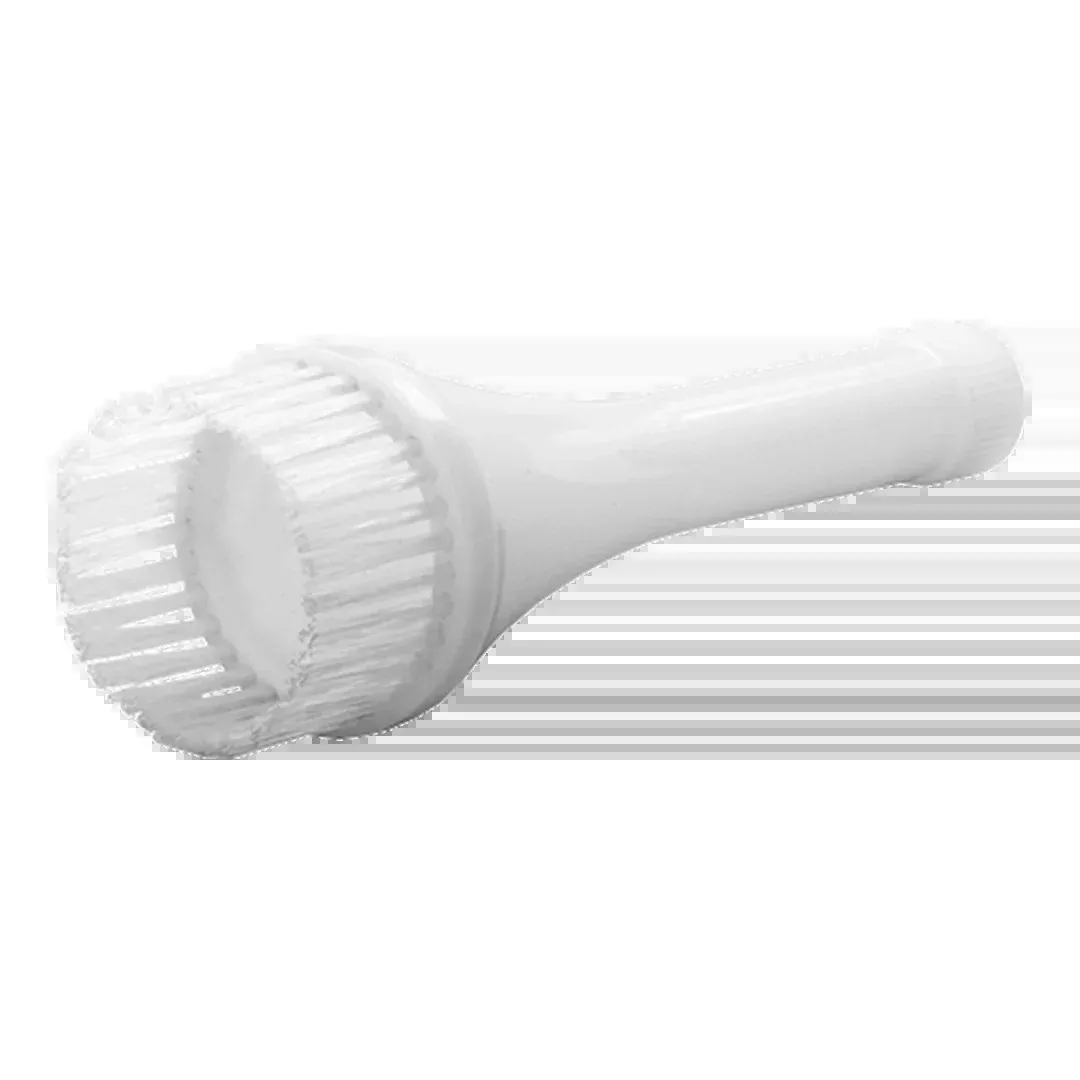
The ZviZZer Thermo Cone Pad Medium is a cone-shaped polishing pad from ZviZZer, made of reticulated open-cell thermo foam with a hook-and-loop back, marked orange in the five-step colour system and therefore medium. The cone tip drives into corners, swage lines and tight radii a flat pad can’t get near, while the open-cell thermo foam pulls the friction heat away and keeps the cut under control. It runs on a rotary machine and its colour is matched to the mid-range one-step polish.
- The tip reaches the problem zones. At 30 mm at the base and 40 mm long, this cone-shaped polishing pad gets to mirror mounts, air intakes, door handle recesses and badges, where a 50 mm flat pad rides up on the edge. Exactly the spots that stay dull after you’ve done the panels, you go back and catch with this.
- Thermo foam lasts longer. The reticulated open-cell foam is up to 25 percent more heat-stable than standard foam and holds up to six times as long. On a small cone face that takes a lot of friction in one spot, that’s the difference between one pad a season and one a weekend.
- Medium covers most of it. The Cone Pad comes in 3 hardnesses, and orange is the middle one. It matches the one-step polish and corrects light to medium defects in a single pass. A red pad gives more cut on tough edges, a yellow one more finish on delicate contours.
Detailing1’s tip from the shop: The most common mistake with the Cone Pad is too much pressure on the tip. Lean on it fully and the small cone face builds heat in one spot, the thermo foam overheats and the polish dries on. Set the tip lightly into the contour and lay down less polish than you would on a flat pad. On a fiddly bumper with air intakes, that got us 2 calm passes instead of one flat-out pass that would have glazed the foam.
Tip lightly into the contour on the rotary machine
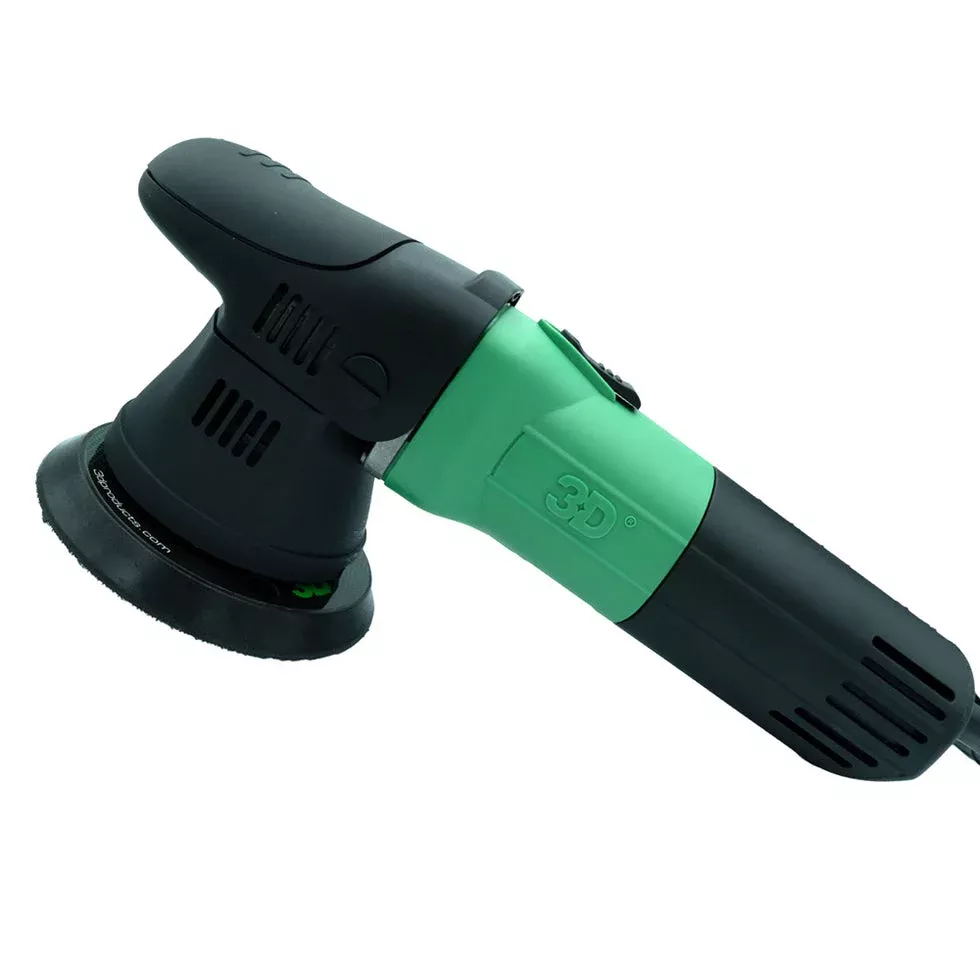
You run the Cone Pad on the rotary machine and set the tip lightly into corners, swage lines and tight radii, while the speed delivers the controlled cut.
The starting point is a clean, taped-off surface. A drop-sized amount of the matching one-step polish in orange is enough for the small area, because the cone-shaped polishing pad needs far less product than a flat pad. Work contour by contour, not across big areas.
Keep the pad clean: knock the polish dust out after a few contours, otherwise the clogged foam just smears. After the job, hand-wash it in lukewarm water and let it air-dry never on a radiator or with a heat gun, because the thermo foam hardens under that.
Yes for tight spots, no for the bonnet
The Cone Pad is a detail pad for corners, contours and spot repair, not for big panels. Polishing a bonnet with 30 mm takes forever and comes out uneven.
Its strength is the geometry: the tapered tip reaches recesses and edges a flat pad skips. The R6c answer from our knowledge base puts it well a narrow, rounded contact patch stops you from accidentally burning through the paint on swage lines or body edges.
The limits are clear. When big areas like bonnets, doors or roofs are on the list, you grab a flat pad from the polishing pad category from 50 mm up. If you work only with a dual-action or DA machine, the Cone Pad won’t fit, because it’s built for the rotary alone. And if a deep scratch sits on an edge, you need a harder red cone plus a cutting polish, because medium foam on its own won’t do the first cut.
For the one who polishes edges clean, not the panel worker
The Cone Pad pays off when you want the last ten percent out of a polish and don’t want to leave corners, contours and tight spots dull. It’s the add-on pad to your flat-pad set, not a replacement for it.
It’s less suited to anyone who just wants to buff up a panel quickly, or to the pure DA user without a rotary machine. If you regularly detail whole cars, you pair the cone-shaped polishing pad with a trapezoid or all-rounder pad for the panels and a one-step polish then the car is even from the bonnet to the mirror mount.
The one trick no maker writes down: at the contours, change the pad hardness sooner than the polish. A delicate, already thin paint edge on a ten-year-old bumper takes the yellow soft cone better than the orange, and you save yourself the burn-through that happens fastest at exactly those edges. The matching Soft Cone Pad in yellow is identical in build, just softer.