
Build months of gloss protection in one quick coat
What is the ZviZZer Wax Synthetic? A synthetic polymer-based hard wax that lays down an even, beading layer of protection in one quick coat, lasting 6 to 10 months. Not for deep scratches and no substitute for paint correction the wax protects, it doesn’t polish.
ZviZZer Wax Synthetic is a synthetic hard wax from ZviZZer whose waxes team up with polymers to form a thin, water-repellent layer of protection on the paint. It bonds straight to the paint surface and seals it against UV, acid rain and grime. Unlike a classic carnauba wax it lasts longer and beads more evenly; unlike a coating you lay it on by hand in minutes. The manufacturer puts the durability at around 6 to 10 months or 7,000 kilometres.
- 6 to 10 months of protection from a single coat. Per the manufacturer the synthetic wax holds around 6 to 10 months or 7,000 kilometres longer than a pure carnauba wax, which fades after 4 to 8 months. One thin layer is enough; a second one barely adds any durability and just burns through product.
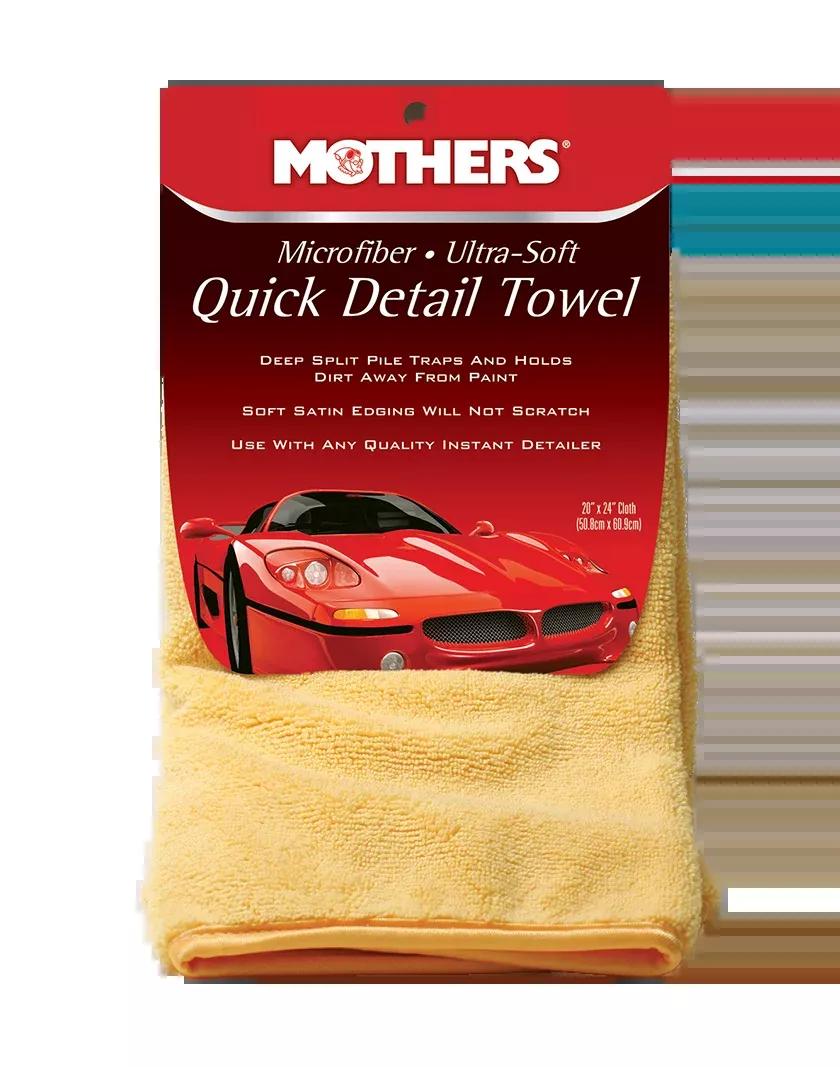
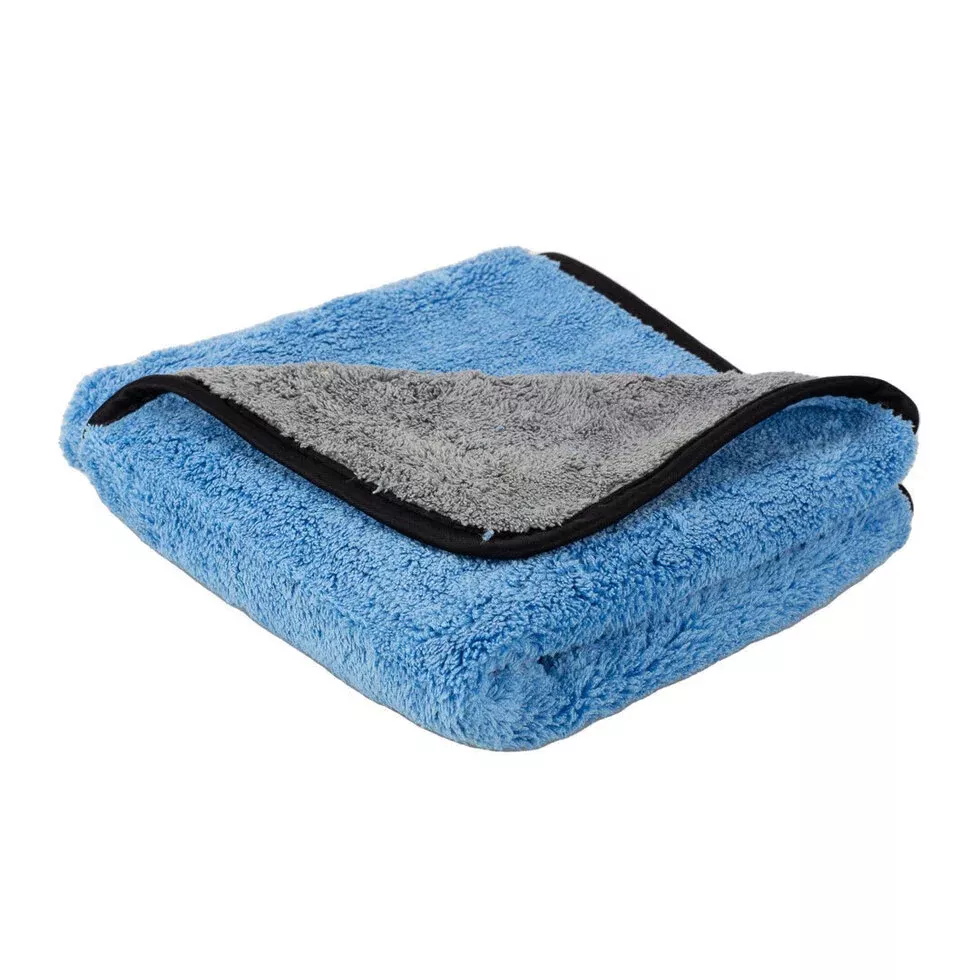
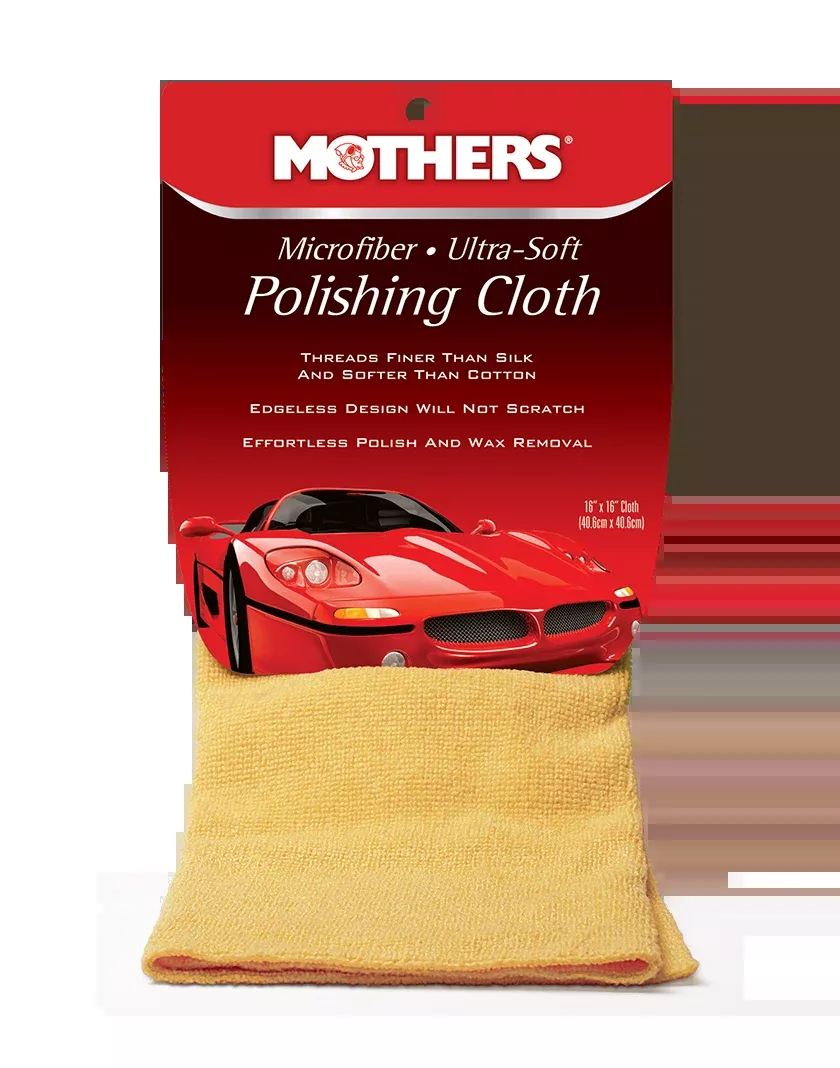
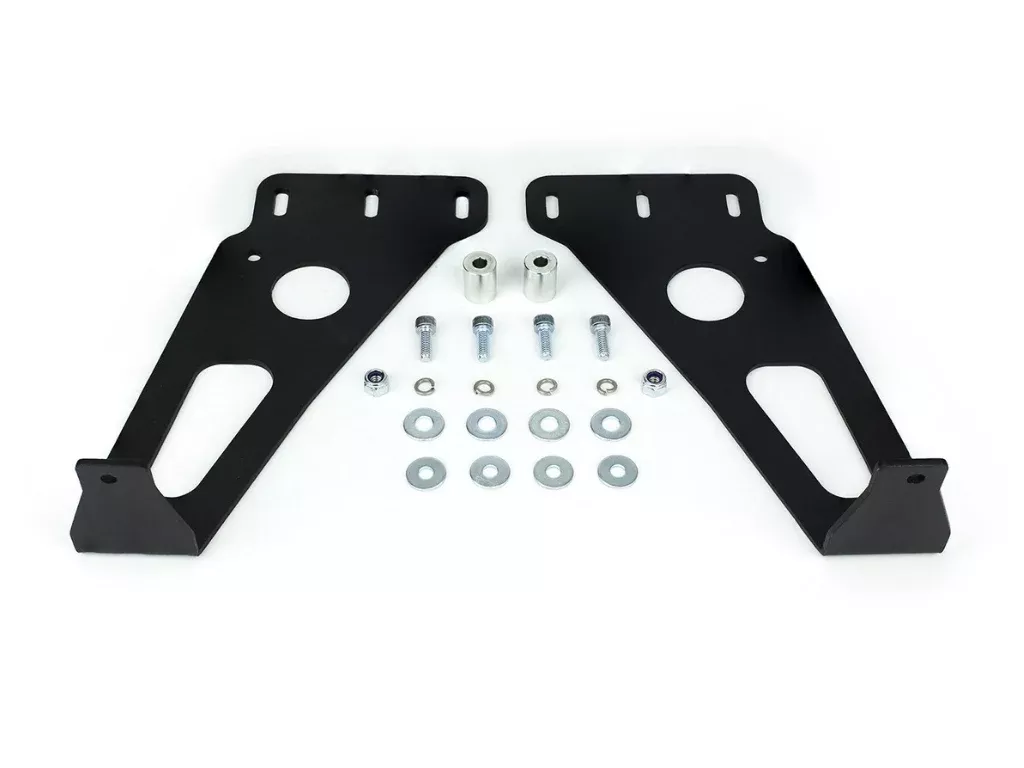
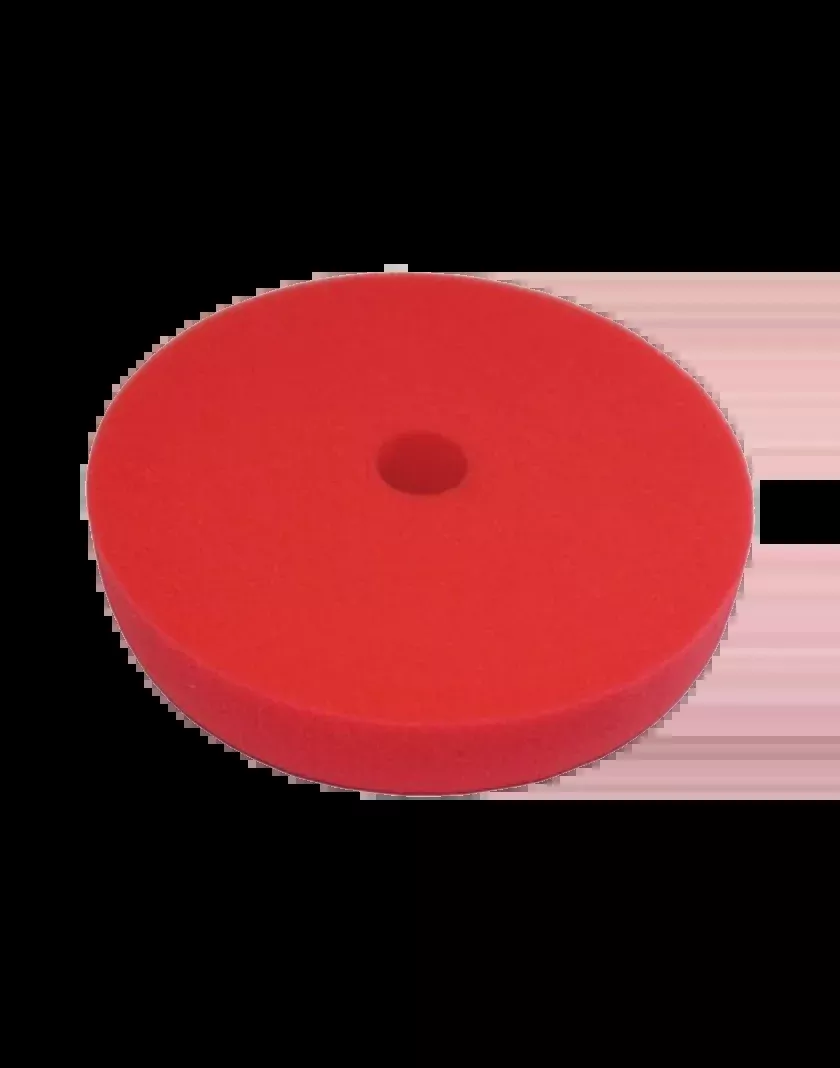
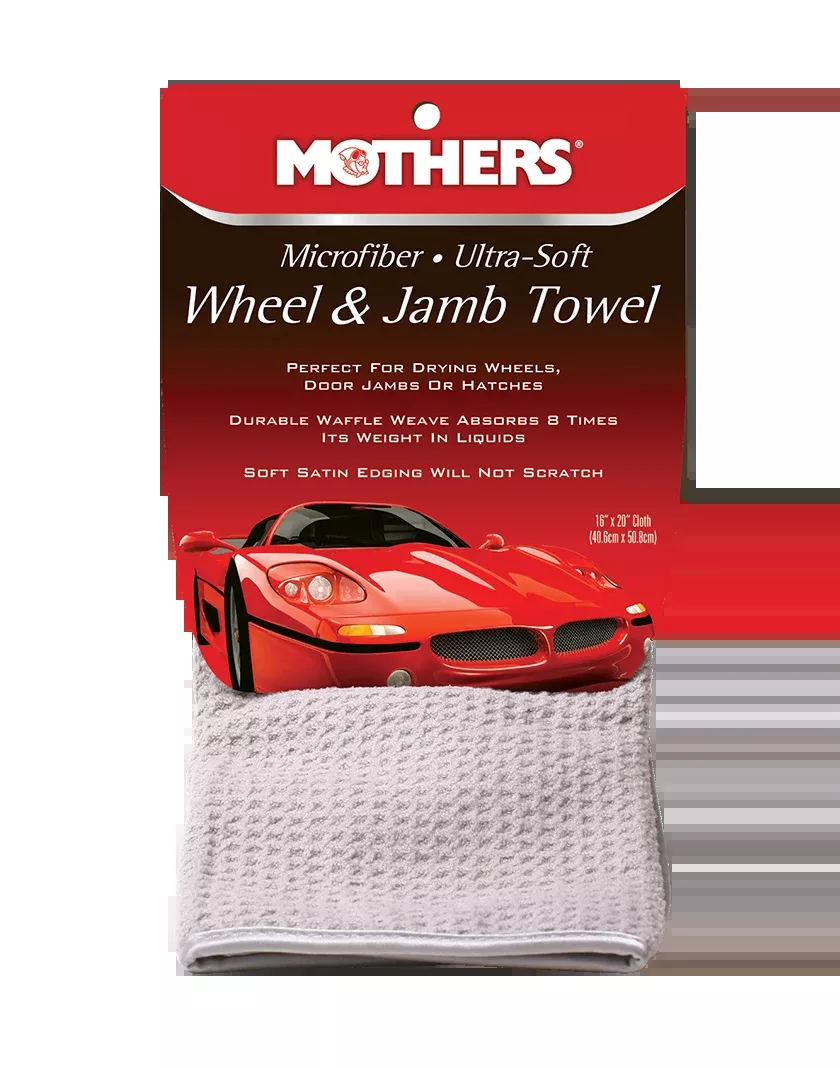
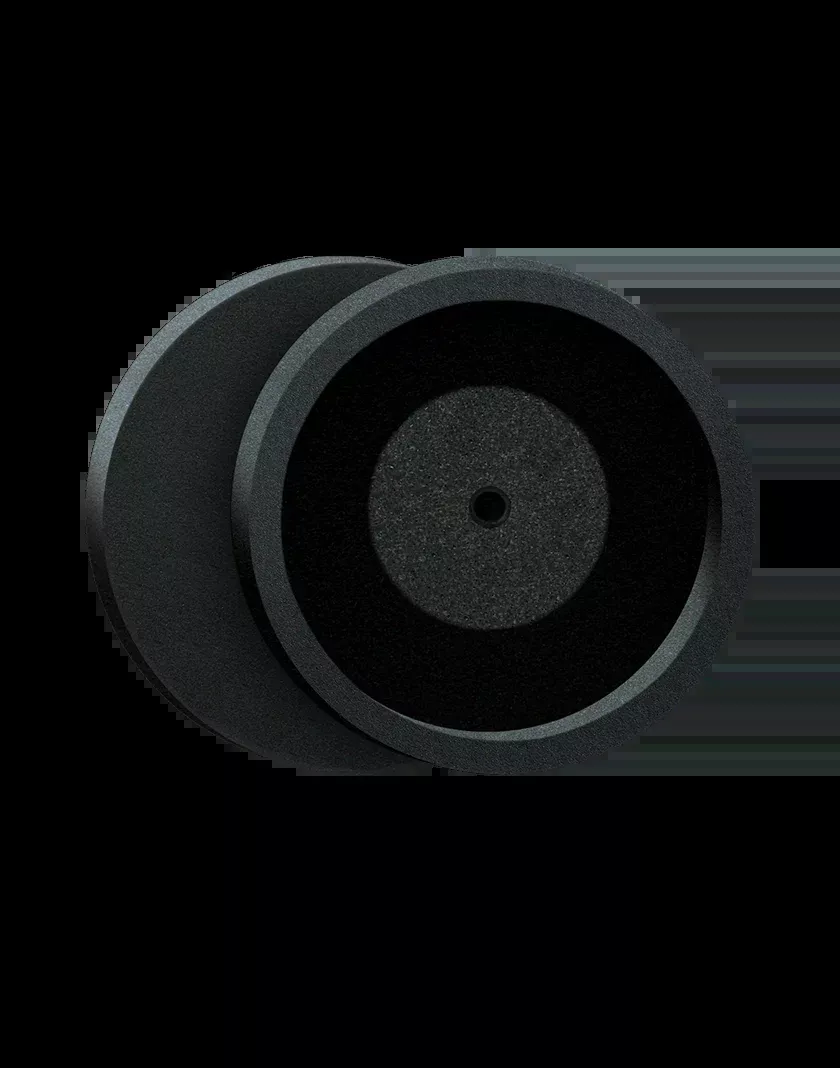
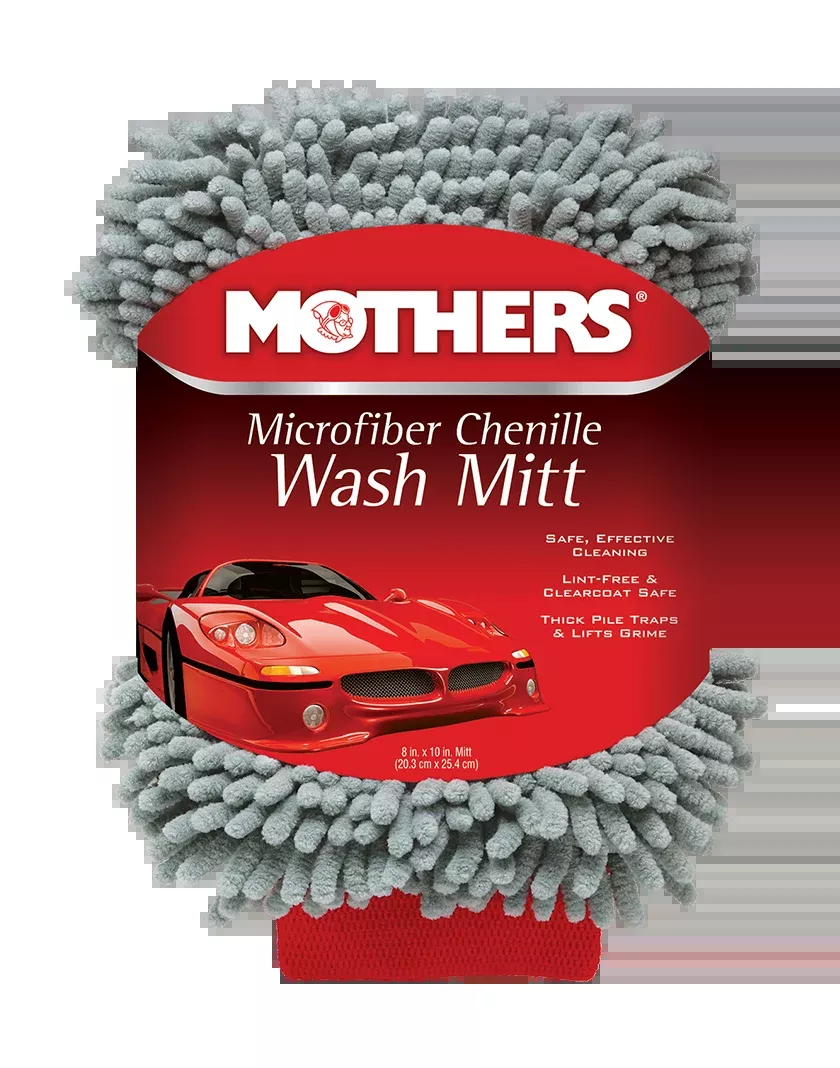
- Goes on in under 5 minutes per panel. Spread it thin with the applicator, let it flash off for up to 5 minutes, then buff it out with the microfibre cloth. After 3 hours the layer is rain-proof, after 24 hours fully cured. The 100 ml bottle gets you around 8 to 12 details on a mid-size car.
- Even water run-off instead of fat droplets. The polymer layer makes water sheet off the panel and takes away the grip dirt needs road film and bugs come off more easily at the next wash. The film also shrugs off everyday car shampoos and won’t break down after the first wash.
Day-to-day from Detailing1: What we see day-to-day, the most common slip-up with hard wax is too much product buffed off too early. A thick layer doesn’t cure any better, it just smears and leaves streaks you only spot once the sun hits. Lay it on wafer-thin, give it the full up-to-5 minutes to flash off, then buff with a clean, dry microfibre cloth. On a black bonnet, too much product threw up fine wipe marks that only a second pass pulled back out.
Lay it on thin let it flash off and buff clean
The synthetic wax goes onto clean, degreased, dry paint: one wafer-thin layer with the applicator, up to 5 minutes to flash off, then buff out with the microfibre cloth. More product doesn’t mean more protection here, it means more streaks.
Order matters: polish first, then wax. The wax protects the paint, it doesn’t correct it you have to pull out swirls and holograms beforehand with a one-step polish, otherwise you seal the scratches in. Work panel by panel and in the shade, never on hot paint in full sun, because the wax dries on there before you can spread it.
Once buffed, the layer is rain-proof in 3 hours and fully cured after 24 hours in that window keep the car out of the wash if you can, so the film can network undisturbed. Keep the microfibre cloth clean: a loaded cloth just drags wax residue across the paint and won’t build an even gloss any more.
In between, top up the beading with a spray sealant after the wash. That’s the trick for actually getting the full 6 to 10 months of durability, instead of re-waxing halfway through. A customer asked us when to use his prep product before waxing the answer is always: right before, on the freshly polished and degreased paint.
Mind the conditions: the synthetic wax works best between about 10 and 25 degrees, in the shade and on hand-warm rather than hot paint. In full sun the solvent flashes off too fast, the wax streaks on and is a pain to buff out. Plan around 20 to 30 minutes for a mid-size car the coat itself takes under 5 minutes per panel, the rest is flashing off and a thorough buff.
Protection and gloss yes paint correction no
The synthetic wax builds protection and deep gloss, but it pulls no defects out of the paint on swirled paint it just locks in the current state, swirls and all.
Its sweet spot is well-kept or freshly polished paint that needs durable, no-fuss protection: daily driver, seasonal car, second car. On a surface freshly worked with polish it pulls the gloss up and gives it some staying power, without you having to set up a multi-hour coating. Over acid rain, UV and road grime it lays a sacrificial layer that breaks down first instead of the clear coat underneath.
The limits are worth being straight about. With deep scratches you can clearly feel with a fingernail, no wax helps those belong under the polish first. On an uncleaned surface the Wax Synthetic beads off patchy, because it seals the dirt in with it. And if you’re after the wet, warm show gloss of a pure carnauba, you’ll read the more matter-of-fact look of a synthetic wax differently.
We cross-checked the Synthetic on a weathered, silver bonnet that hadn’t seen wax in two years. With no pre-clean the water ran off patchy after the first night and the gloss looked dull. After a round with clay bar and a degreasing wipe, that same panel pulled the wax on evenly and beaded clean same paint, same wax, the prep was the only difference.
Picking within the wax line follows a simple if-then logic. If you want the warm carnauba glow, grab the carnauba wax, even if it only holds 4 to 8 months. If maximum hardness and long durability are what count, reach for the graphene wax. If you want the pragmatic middle ground of long life and a quick coat, the Wax Synthetic is the one.
| Wax | Base | Durability | Character |
|---|---|---|---|
| Natural | Carnauba | 4 to 8 months | Warm, wet show gloss |
| Synthetic | Synthetic / polymer | 6 to 10 months | Long protection, quick coat |
| Graphene | Graphene technology | 8 to 12 months | Hardest, longest-lasting layer |
For the daily driver not the concours purist
The Wax Synthetic is the right call if you want long, even protection without the coating hassle and don’t want to rebuild the gloss every weekend. It’s the pragmatic middle of the ZviZZer wax line longer-lasting than carnauba, easier to use than a coating.
It’s less suited to two extremes. If you’re after the warmest, deepest show gloss for a few weeks, you’re better off with pure carnauba wax, which delivers that wet look but fades noticeably sooner. And if you want the hardest, longest-lasting seal, grab the graphene wax with 8 to 12 months and 10,000 kilometres of durability. The Synthetic sits deliberately right in the middle of those two worlds.
It stays low-maintenance too. A normal hand wash won’t hurt the film, since it stands up to everyday shampoos. Aggressive, strongly alkaline cleaners or frequent close-range pressure washing break any wax down faster that’s not a weakness of the product, it’s physics. For day-to-day wax care a mild shampoo is plenty, topped up with the spray sealant after the wash.
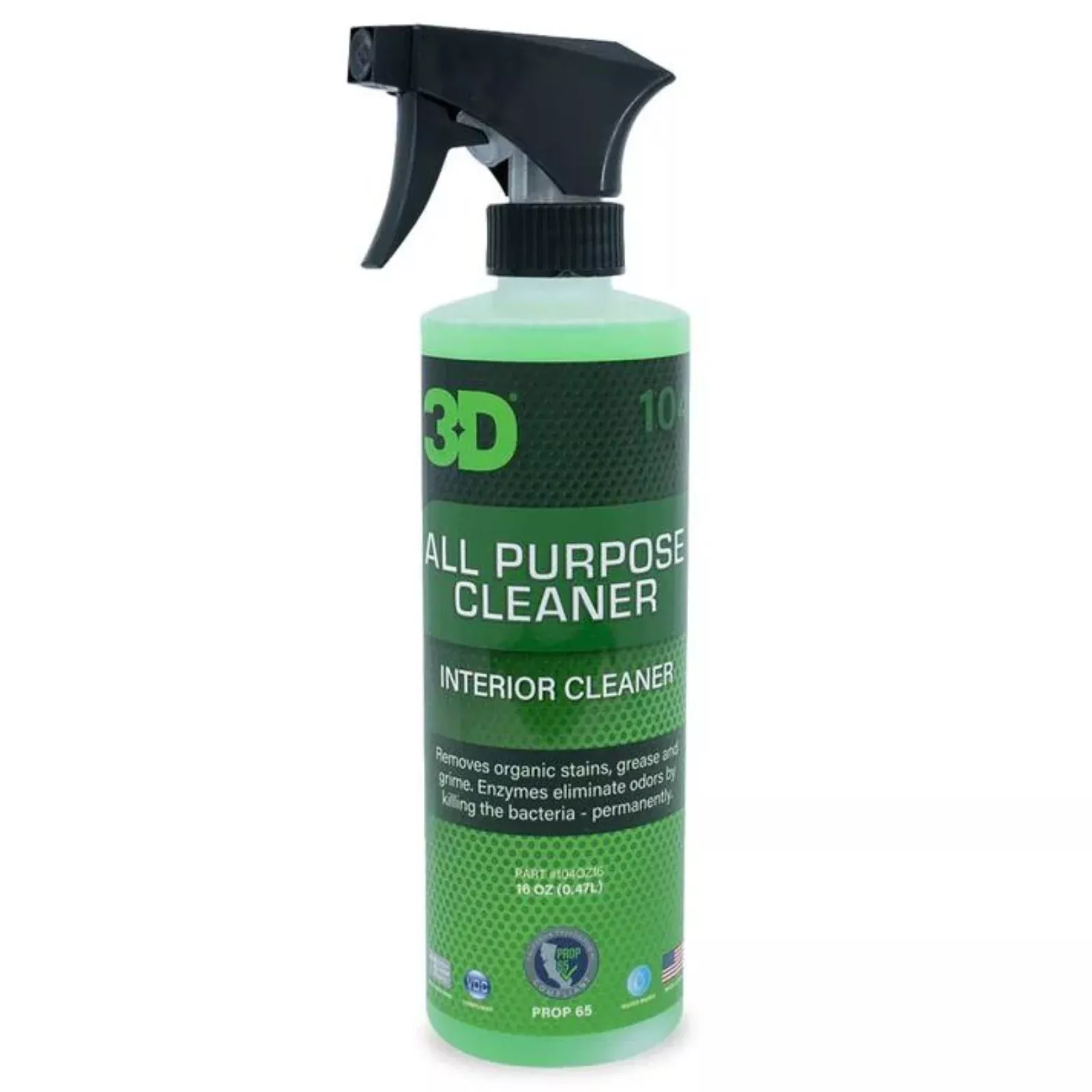
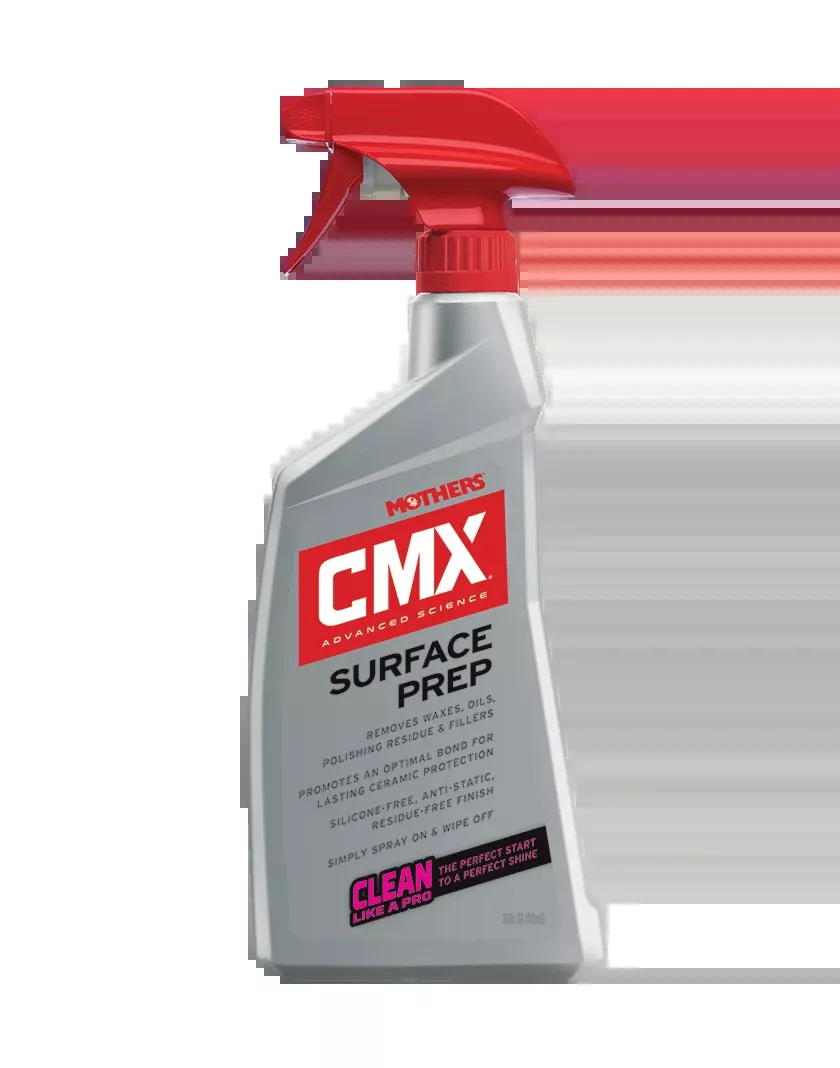
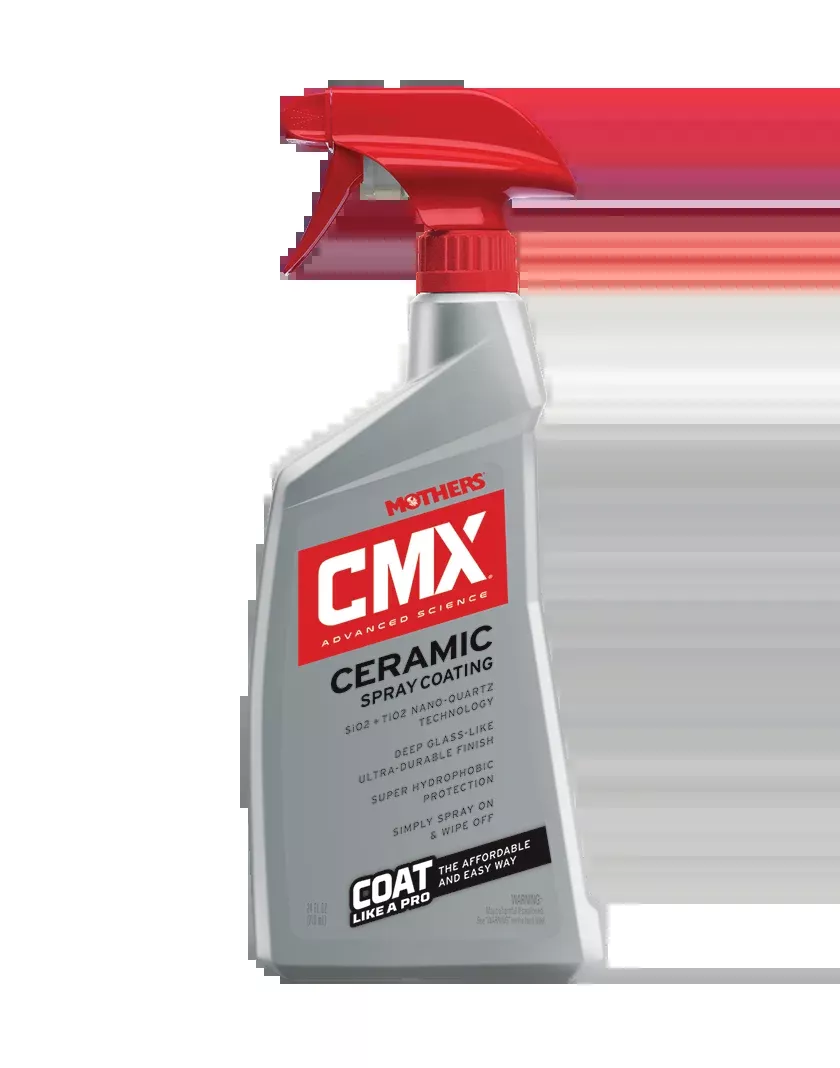
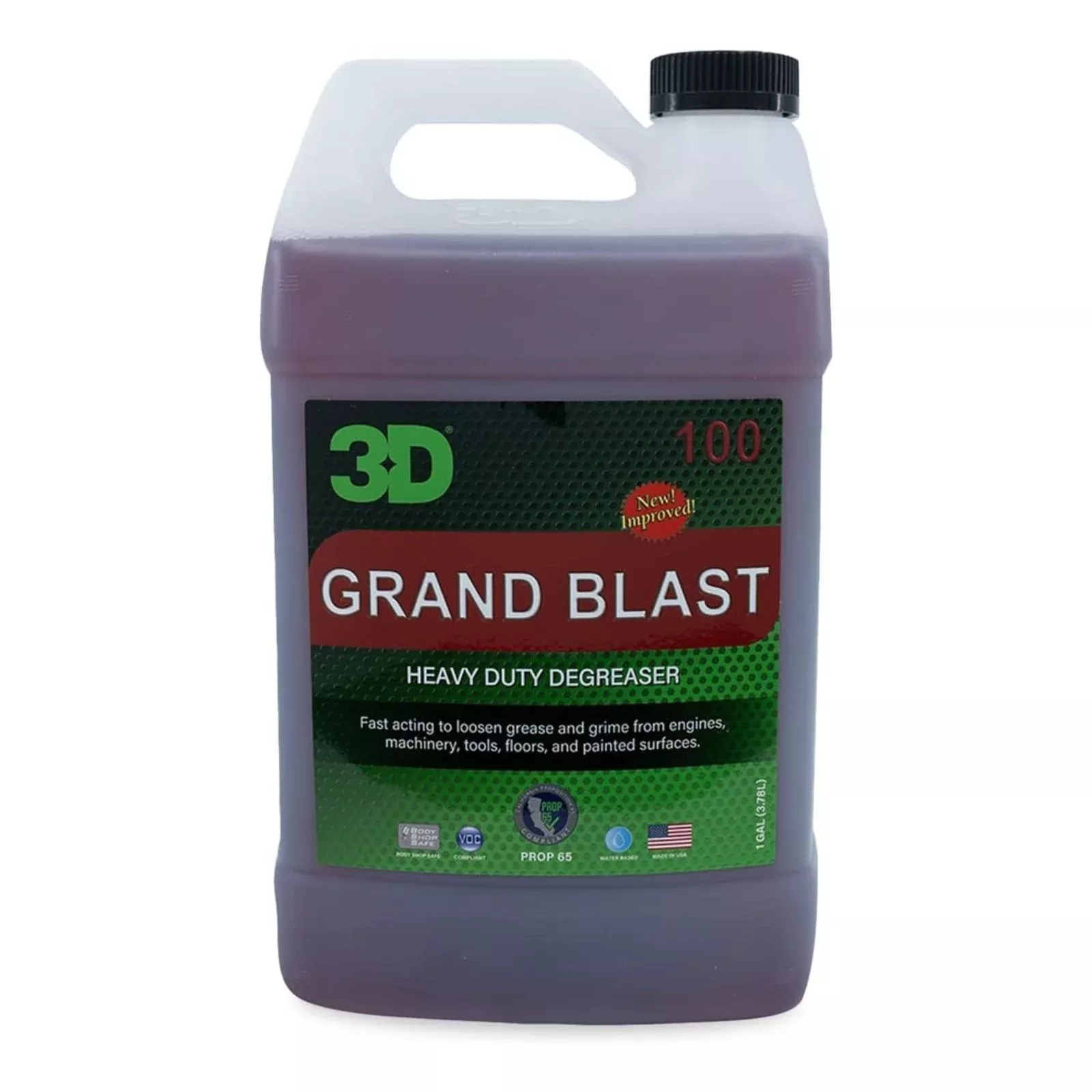
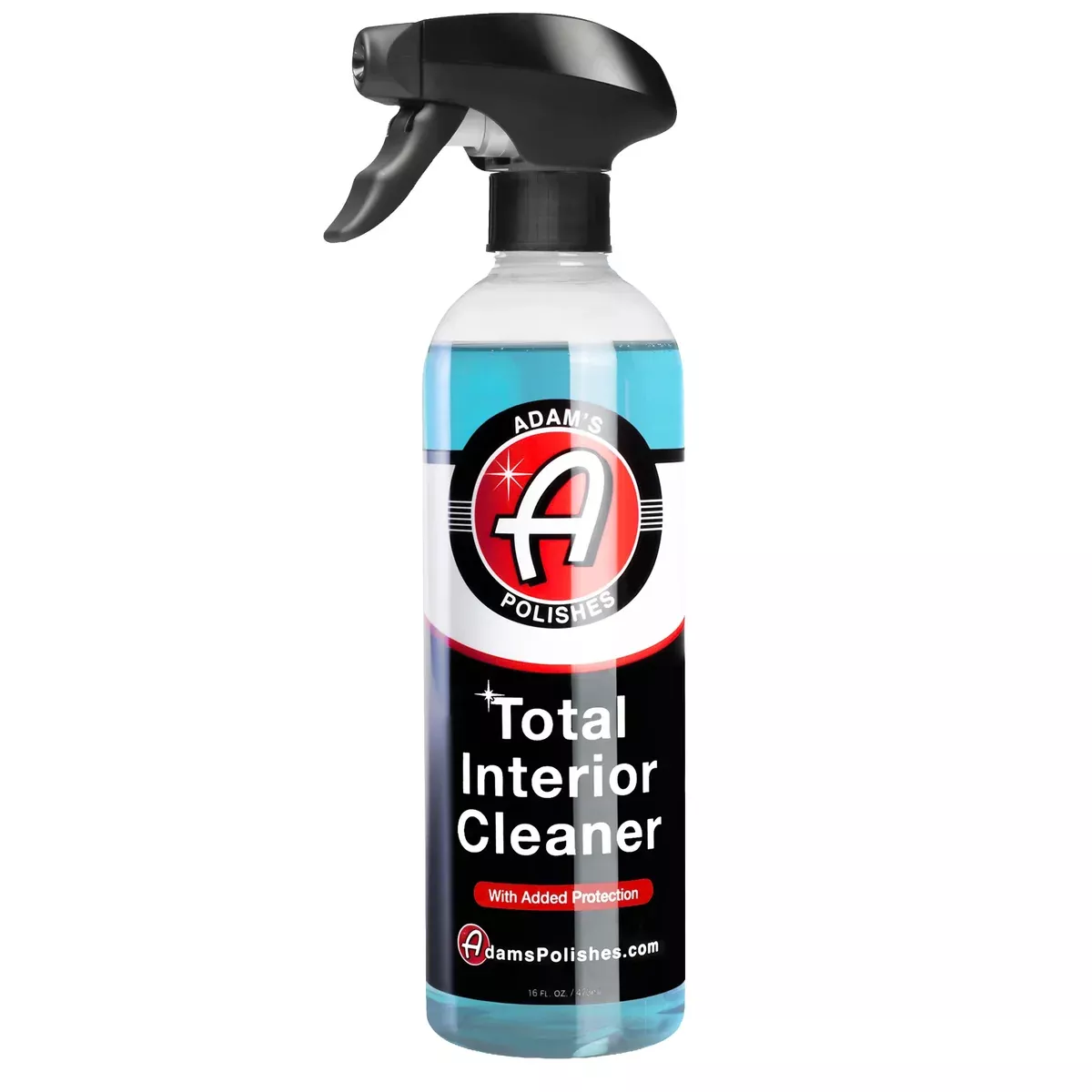
The one bit most people skip: the wax needs a clean base, otherwise you seal dirt in. Wipe the paint down with a cleaning spray before waxing and run a clay bar over it if in doubt if the paint feels glass-smooth afterwards, the wax beads evenly and holds the full months.
On an uncleaned surface you’ll see the difference after the first drive in the rain, when the water runs off patchy instead of sheeting. That one extra wipe-down decides whether you pull six or ten months of protection out of it in the end and it costs you less than five minutes.